

بال والوز بنيادي طور تي آن/آف ڊوائيسز طور ڪم ڪن ٿا. انهن جي ڊيزائن انهن جي صحيح وهڪري ڪنٽرول مهيا ڪرڻ جي صلاحيت کي محدود ڪري ٿي. هي حد ڪجهه باهه کان بچاءُ واري ايپليڪيشنن ۾ انهن جي اثرائتي کي متاثر ڪري سگهي ٿي. هتي ڪجهه اهم نقطا آهن جيڪيfire protection valvesبال والوز جو:آن/آف ڪارڪردگي: بال والوز جلدي بند ڪرڻ يا سيال جي وهڪري کي اجازت ڏيڻ ۾ بهترين آهن. جڏهن ته، اهي سٺو ڪم نه ڪندا آهن جڏهن آپريٽرن کي وهڪري جي شرح کي بتدريج ترتيب ڏيڻ جي ضرورت هوندي آهي.ٿڪاوٽ جا مسئلا: جڏهن جزوي طور تي کوليو ويندو آهي، ته بال والوز ٽربولنس پيدا ڪري سگهن ٿا. هي ٽربولنس دٻاءُ ۾ گهٽتائي ۽ غير مطابقت واري وهڪري جي شرح جو سبب بڻجي سگهي ٿو. اهڙو رويو باهه جي دٻاءُ واري نظام جي ڪارڪردگي کي روڪي سگهي ٿو.وهڪري جو ضابطو: بال والوز انهن ايپليڪيشنن لاءِ مناسب نه آهن جن کي نفيس وهڪري جي ضابطي جي ضرورت آهي. انهن جي ڊيزائن بتدريج ترتيب ڏيڻ جي اجازت نٿي ڏئي. هي حد انهن حالتن ۾ مسئلو بڻجي سگهي ٿي جتي صحيح پاڻي پهچائڻ ضروري آهي.ٽپو: انهن ايپليڪيشنن لاءِ جن کي وهڪري جي ماڊليشن جي ضرورت آهي، گيٽ والوز يا ٿروٽلنگ لاءِ ٺهيل ٻين والو قسمن جي استعمال تي غور ڪريو.
هيٺ ڏنل جدول گيٽ والوز جي مقابلي ۾ بال والوز جي وهڪري ڪنٽرول صلاحيتن جو خلاصو پيش ڪري ٿو:
- والو جو قسم
- وهڪري ڪنٽرول جي صلاحيت
- مثالي استعمال ڪيس
- بال والومحدود
- آن/آف سروسگيٽ والو
وچولي
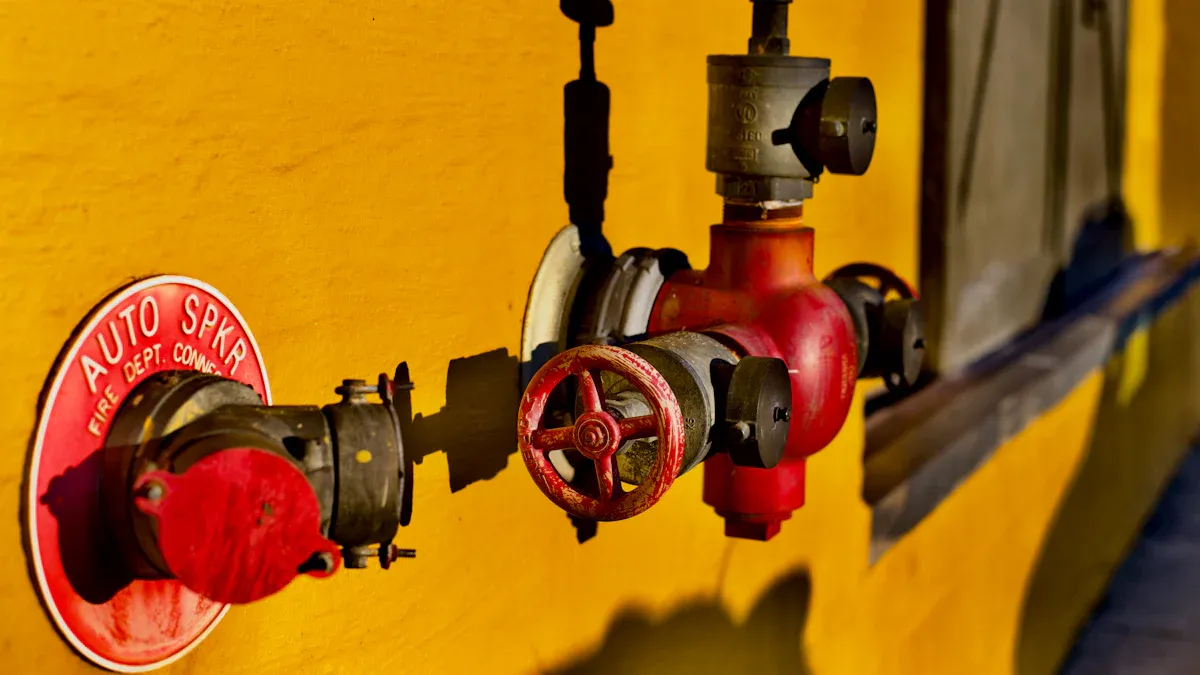
ٿروٽلنگ ۽ وهڪري جي ضابطيفائر سسٽم ۾ ايپليڪيشنونباهه کان بچاءُ وارا والو باهه کان بچاءُ واري نظام اندر مختلف ايپليڪيشنن ۾ اهم ڪردار ادا ڪن ٿا. انهن جي چونڊ مخصوص آپريشنل گهرجن ۽ باهه کان بچاءُ واري حڪمت عملي جي نوعيت تي منحصر آهي. باهه جي نظام ۾ گيٽ والوز ۽ بال والوز ٻنهي لاءِ ڪجهه اهم ايپليڪيشنون هيٺ ڏجن ٿيون:
| 1. باهه جي ڇڪڻ وارو نظام | Ball Valves | Gate Valves |
|---|---|---|
| اسٽينڊ پائپ سسٽم، عام طور تي ڪمرشل عمارتن ۾ ملندا آهن، باهه کان بچاءُ وارن والوز تي ڀروسو ڪندا آهن ته جيئن باهه وسائڻ جي ڪوششن لاءِ مناسب پاڻي جي فراهمي کي يقيني بڻائي سگهجي. گيٽ والوز اڪثر ڪري سسٽم جي حصن کي الڳ ڪرڻ لاءِ استعمال ڪيا ويندا آهن، جڏهن ته بال والوز فوري پاڻي جي رسائي لاءِ جلدي آپريشن کي آسان بڻائيندا آهن. | 3. فائر هائڊرنٽ سسٽم | فائر هائڊرنٽ سسٽم کي قابل اعتماد ۽ ڪارآمد والوز جي ضرورت هوندي آهي ته جيئن فائر فائٽر پاڻي تائين جلدي رسائي حاصل ڪري سگهن. گيٽ والوز عام طور تي مين سپلائي لائن تي نصب ڪيا ويندا آهن ته جيئن هائڊرنٽ ڏانهن پاڻي جي وهڪري کي ڪنٽرول ڪري سگهجي. بال والوز کي هنگامي حالتن ۾ جلدي بند ڪرڻ لاءِ پڻ استعمال ڪري سگهجي ٿو. |
| 4. ٻوڏ ۽ پري ايڪشن سسٽم | ڊيليج ۽ پري ايڪشن فائر سپريشن سسٽم ۾، فائر پروٽيڪشن والوز اسپرنڪلر هيڊز ڏانهن پاڻي جي وهڪري کي ڪنٽرول ڪرڻ ۾ اهم ڪردار ادا ڪن ٿا. گيٽ والوز سار سنڀال لاءِ سسٽم جي حصن کي الڳ ڪري سگهن ٿا، جڏهن ته بال والوز ضرورت پوڻ تي پاڻي جي وهڪري کي تيزيءَ سان چالو ڪرڻ جي اجازت ڏين ٿا. | 5. صنعتي ايپليڪيشنون |
| Flow Regulation | 6. رهائشي باهه کان بچاءُ | رهائشي باهه کان بچاءُ جا نظام پڻ باهه کان بچاءُ وارن والوز جي استعمال مان فائدو حاصل ڪن ٿا. گيٽ والوز قابل اعتماد بند ڪرڻ جون صلاحيتون مهيا ڪن ٿا، جڏهن ته بال والوز باهه وسائڻ جي ڪوششن لاءِ پاڻي جي فراهمي تائين جلدي رسائي کي يقيني بڻائين ٿا. |
| Durability | : باهه کان بچاءُ واري نظام لاءِ والوز چونڊڻ وقت، مخصوص ايپليڪيشن ۽ آپريشنل گهرجن تي غور ڪريو. هر والو جو قسم منفرد فائدا پيش ڪري ٿو جيڪي سسٽم جي ڪارڪردگي کي وڌائي سگهن ٿا. | گيٽ والوز لاءِ مناسب منظرنامو |
| گيٽ والوز خاص طور تي باهه کان بچاءُ واري نظام اندر مختلف حالتن ۾ اثرائتو آهن. انهن جي ڊيزائن ۽ ڪارڪردگي انهن کي مخصوص ايپليڪيشنن لاءِ موزون بڻائي ٿي جتي | قابل اعتماد وهڪري ڪنٽرول | ضروري آهي. گيٽ والوز استعمال ڪرڻ لاءِ هيٺ ڪجهه مثالي حالتون آهن: |
مکيه پاڻي جي فراهمي جي آئسوليشن
: گيٽ والوز باهه کان بچاءُ واري نظام ۾ مکيه پاڻي جي فراهمي لاءِ بنيادي بند ڪرڻ واري ميڪانيزم طور ڪم ڪن ٿا. اهي سار سنڀال يا هنگامي حالتن دوران مڪمل بند ڪرڻ جي اجازت ڏين ٿا، انهي کي يقيني بڻائين ٿا ته سسٽم محفوظ ۽ آپريشنل رهي.هاءِ پريشر ايپليڪيشنون: اهڙي ماحول ۾ جتي وڌيڪ دٻاءُ هڪ پريشاني جو سبب بڻجندو آهي، گيٽ والوز بهترين هوندا آهن. انهن جي مضبوط تعمير ڪارڪردگي سان سمجهوتو ڪرڻ کان سواءِ اهم دٻاءُ کي برداشت ڪري سگهي ٿي. هي استحڪام انهن کي صنعتي سيٽنگن لاءِ مثالي بڻائي ٿو.
وڏي قطر جون پائپ لائنون
: گيٽ والوز اڪثر ڪري وڏي قطر جي پائپ لائنن ۾ استعمال ٿيندا آهن جتي وهڪري جو ڪنٽرول ضروري هوندو آهي. انهن جي ڊيزائن وهڪري جي پابندي کي گهٽ ڪري ٿي، جنهن سان هنگامي حالتن دوران پاڻي جي موثر پهچائڻ جي اجازت ملي ٿي.
فائر هائڊرنٽ سسٽم
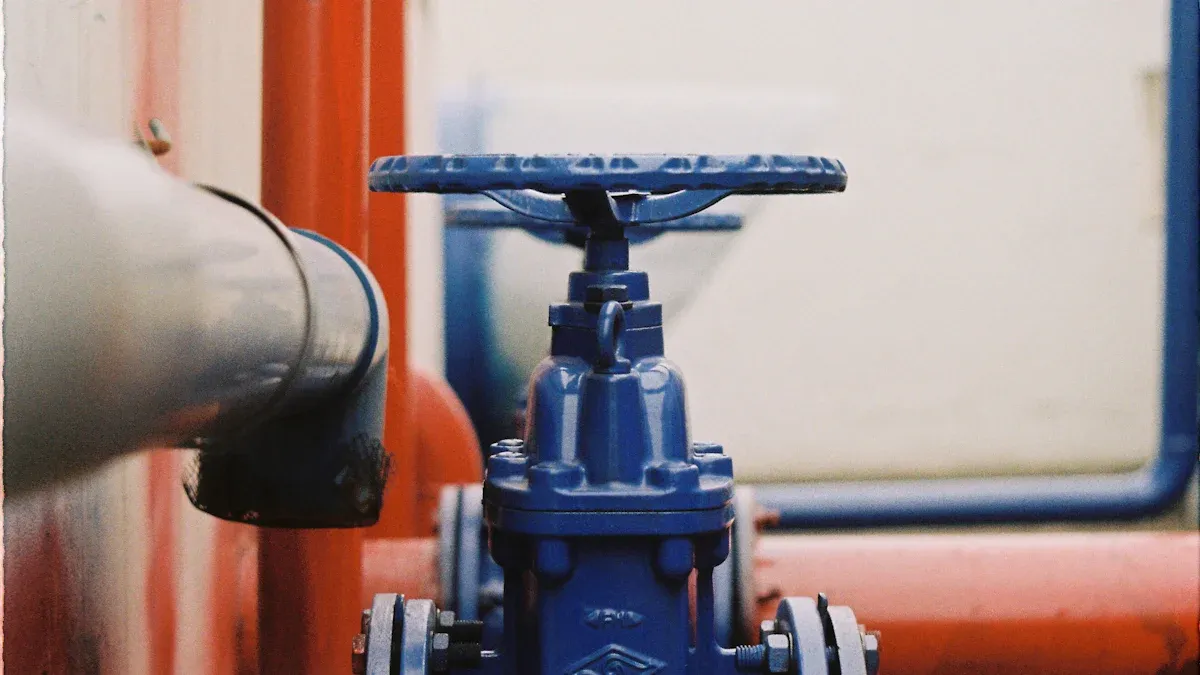
: گيٽ والوز عام طور تي فائر هائڊرنٽ سسٽم ۾ نصب ڪيا ويندا آهن. اهي پاڻي جي فراهمي جي قابل اعتماد آئسوليشن فراهم ڪن ٿا، انهي کي يقيني بڻائين ٿا ته فائر فائٽر ضرورت پوڻ تي جلدي پاڻي تائين رسائي حاصل ڪري سگهن ٿا.ڇا گيٽ والوز ٿروٽلنگ ايپليڪيشنن لاءِ موزون آهن؟: اسٽينڊ پائپ سسٽم ۾، گيٽ والوز مخصوص حصن کي الڳ ڪرڻ جي اجازت ڏين ٿا. هي صلاحيت سار سنڀال لاءِ اهم آهي ۽ يقيني بڻائي ٿي ته سسٽم جا ٻيا حصا ڪم ڪن.
- Ball Valves: باهه کان بچاءُ واري نظام لاءِ گيٽ والوز چونڊڻ وقت، مخصوص ايپليڪيشن ۽ آپريشنل گهرجن تي غور ڪريو. قابل اعتماد بند ڪرڻ ۽ اعليٰ دٻاءُ کي برداشت ڪرڻ جي انهن جي صلاحيت انهن کي مختلف حالتن ۾ هڪ قيمتي جزو بڻائي ٿي.
- Gate Valvesبال والوز خاص طور تي باهه کان بچاءُ واري نظام اندر مختلف حالتن ۾ اثرائتو آهن. انهن جي ڊيزائن ۽ آپريشنل ڪارڪردگي انهن کي مخصوص ايپليڪيشنن لاءِ موزون بڻائي ٿي جتي تڪڙو جواب ۽ اعتبار ضروري آهي. بال والوز استعمال ڪرڻ لاءِ هيٺ ڪجهه مثالي حالتون آهن:
ايمرجنسي بندش
: بال والوز تيزيءَ سان بند ٿيڻ جي ضرورت وارين حالتن ۾ بهترين هوندا آهن. انهن جو ڪوارٽر ٽرن آپريشن فوري طور تي بند ٿيڻ جي اجازت ڏئي ٿو، جيڪو باهه جي هنگامي حالتن ۾ اهم آهي. فائر فائٽرز جلدي پاڻي جي فراهمي تائين رسائي ڪري سگهن ٿا، هڪ تيز جواب کي يقيني بڻائي.
هاءِ پريشر سسٽمڇا گيٽ والوز ٿروٽلنگ ايپليڪيشنن لاءِ موزون آهن؟پاڻي جي فراهمي جون لائينون
Gate Valves
- باهه کان بچاءُ واري نظام لاءِ، انهن جي تيز آپريشن ۽ گهٽ دٻاءُ جي گهٽتائي تي غور ڪريو. اهي خاصيتون مجموعي سسٽم جي ڪارڪردگي ۽ اعتبار کي وڌائين ٿيون.: فائر اسپرنڪلر سسٽم ۾، بال والوز جلدي چالو ڪرڻ ۾ سهولت فراهم ڪن ٿا. اهي اسپرنڪلر هيڊز ڏانهن فوري پاڻي جي وهڪري جي اجازت ڏين ٿا، باهه کي دٻائڻ جي ڪوششن جي اثرائتي کي وڌائين ٿا.
- ڊيليو سسٽم: بال والوز ڊيليج سسٽم ۾ اهم ڪردار ادا ڪن ٿا، جتي تيز پاڻي ڇڏڻ ضروري آهي. انهن جي ڊيزائن تيز آپريشن کي قابل بڻائي ٿي، انهي کي يقيني بڻائي ٿي ته پاڻي بغير ڪنهن دير جي گهربل علائقن تائين پهچي.
- باهه دوران تيز جواب: جڏهن
Ball Valves
- باهه کان بچاءُ واري نظام لاءِ، انهن جي تيز آپريشن ۽ گهٽ دٻاءُ جي گهٽتائي تي غور ڪريو. اهي خاصيتون مجموعي سسٽم جي ڪارڪردگي ۽ اعتبار کي وڌائين ٿيون.درخواست جو قسم
- اهم فائدوايمرجنسي بندش
- باهه دوران تيز جوابهاءِ پريشر سسٽمدٻاءُ هيٺ سالميت برقرار رکي ٿوپاڻي جي فراهمي جون لائينون
Tipاسپرنڪلر سسٽم
پاڻي جي وهڪري کي فوري طور تي چالو ڪرڻ
ڊيليو سسٽم
- دٻاءُ لاءِ پاڻي جو تيز اخراجفائر سسٽم ۾ مجموعي اثرائتي
- جي اثرائتيباهه کان بچاءُ جا والوز
- باهه جي حفاظتي نظام جي ڪارڪردگي تي خاص طور تي اثر انداز ٿين ٿا. گيٽ والوز ۽ بال والوز ٻئي هنگامي حالتن دوران قابل اعتماد پاڻي جي وهڪري کي يقيني بڻائڻ ۾ اهم ڪردار ادا ڪن ٿا. انهن جون منفرد خاصيتون باهه کي دٻائڻ جي ڪوششن جي مجموعي ڪارڪردگي ۾ حصو وٺن ٿيون.گيٽ والوز انهن ايپليڪيشنن ۾ بهترين آهن جن کي مڪمل وهڪري بند ڪرڻ جي ضرورت هوندي آهي. اهي باهه کان بچاءُ واري نظام جي حصن کي الڳ ڪرڻ لاءِ هڪ قابل اعتماد ذريعو فراهم ڪن ٿا. هي صلاحيت سار سنڀال يا هنگامي حالتن دوران ضروري آهي. گيٽ والوز تيز وهڪري جي گنجائش جي اجازت ڏين ٿا، انهي کي يقيني بڻائين ٿا ته پاڻي ضرورت جي وقت نازڪ علائقن تائين پهچي. انهن جي مضبوط تعمير تيز دٻاءُ کي برداشت ڪري ٿي، انهن کي مختلف ماحول لاءِ موزون بڻائي ٿي.
- ٻئي طرف، بال والوز تيز آپريشن ۽ گهٽ دٻاءُ جي گهٽتائي پيش ڪن ٿا. انهن جو ڪوارٽر ٽرن ميڪانيزم پاڻي جي فراهمي تائين جلدي رسائي جي اجازت ڏئي ٿو، جيڪو باهه جي واقعن دوران اهم آهي. فائر فائٽرز بال والوز کي تيزيءَ سان چالو ڪري سگهن ٿا، فوري طور تي يقيني بڻائين ٿاپاڻي جو وهڪرو
- . هي تڪڙو جواب باهه کي اثرائتي طريقي سان ڪنٽرول ڪرڻ ۾ اهم فرق آڻي سگهي ٿو. ان کان علاوه، بال والوز ليڪ پروف سيلنگ کي برقرار رکن ٿا، پاڻي جي نقصان کي روڪين ٿا ۽ سسٽم جي اعتبار کي وڌائين ٿا.هنگامي حالتن ۾ ڪارڪردگي
هنگامي حالتن ۾، باهه کان بچاءُ وارن والوز جي ڪارڪردگي اهم ٿي ويندي آهي. گيٽ والوز ۽ بال والوز ٻئي اثرائتي باهه وسائڻ جي ڪوششن کي يقيني بڻائڻ ۾ الڳ الڳ ڪردار ادا ڪن ٿا. انهن جي
آپريشنل خاصيتونباهه جي خاتمي جي سرگرمين جي نتيجي تي خاص طور تي اثر انداز ٿي سگھي ٿو.گيٽ والوز
| Valve Type | بال والوز | ان جي ابتڙ، بال والوز تيز آپريشن پيش ڪن ٿا. انهن جو ڪوارٽر ٽرن ميڪانيزم پاڻي جي فراهمي تائين فوري رسائي جي اجازت ڏئي ٿو. باهه جي واقعن دوران هي تيز چالو ڪرڻ ضروري آهي، جتي وقت جوهر جو آهي. فائر فائٽرز تيزيءَ سان بال والوز کي استعمال ڪري سگهن ٿا، انهي کي يقيني بڻائين ٿا ته پاڻي ضروري علائقن ڏانهن بغير ڪنهن دير جي وهڪري ڪري. اضافي طور تي، بال والوز گهٽ دٻاءُ جي گهٽتائي کي برقرار رکن ٿا، جيڪو سڄي سسٽم ۾ پاڻي جي دٻاءُ کي برقرار رکڻ ۾ مدد ڪري ٿو. |
|---|---|---|
| Gate Valve | : مڪمل بند ڪرڻ لاءِ قابل اعتماد پر هلائڻ ۾ سست. | : مڪمل بند ڪرڻ لاءِ قابل اعتماد پر هلائڻ ۾ سست. |
| Ball Valve | باهه کان بچاءُ وارن والوز جي ڊگهي مدت جي اعتبار | باهه کان بچاءُ وارن والوز جي ڊگهي مدت جي اعتبار |
باهه کان بچاءُ وارن والوز لاءِ ڊگهي مدت جي اعتبار انتهائي اهم آهي، ڇاڪاڻ ته اهي جزا هنگامي حالتن دوران حفاظت کي يقيني بڻائڻ ۾ اهم ڪردار ادا ڪن ٿا. گيٽ ۽ بال والوز ٻئي منفرد خاصيتون ڏيکارين ٿا جيڪي وقت سان گڏ انهن جي اعتبار کي متاثر ڪن ٿا.
- گيٽ والوز
- پائيداري
- : گيٽ والوز ۾ اڪثر مضبوط مواد هوندو آهي، جهڙوڪ اسٽينلیس سٹیل يا پيتل. اهي مواد انهن جي اعلي دٻاءُ ۽ گرمي پد کي برداشت ڪرڻ جي صلاحيت کي وڌائيندا آهن، انهن جي ڊگهي عمر ۾ حصو وٺندا آهن.
- سار سنڀال جون گهرجون
- : گيٽ والوز لاءِ باقاعده سار سنڀال ضروري آهي. آپريٽرن کي ليڪ کي روڪڻ لاءِ سيل ۽ اندروني حصن جو معائنو ڪرڻ گهرجي. سار سنڀال کي نظرانداز ڪرڻ سان ڀروسي ۾ گهٽتائي ۽ نازڪ لمحن دوران ممڪن ناڪامي ٿي سگهي ٿي.
- بال والوز
- گھٽ سار سنڀال جي ضرورت
- : بال والوز کي عام طور تي گيٽ والوز جي ڀيٽ ۾ گهٽ سار سنڀال جي ضرورت هوندي آهي. انهن جي ڊيزائن ٽٽڻ ۽ ڳوڙها گهٽ ڪري ٿي، انهن کي ڊگهي عرصي تائين اثرائتي طريقي سان ڪم ڪرڻ جي اجازت ڏئي ٿي.
- سنکنرن جي مزاحمت
- : ڪيترائي بال والوز سنکنرن جي مزاحمتي مواد استعمال ڪندا آهن. هي خاصيت انهن جي اعتبار کي وڌائي ٿي، خاص طور تي سخت ڪيميائي مادن يا انتهائي حالتن جي سامهون ايندڙ ماحول ۾.
- ٽپو
: باهه کان بچاءُ وارن والوز جي ڊگهي مدت جي اعتبار کي وڌائڻ لاءِ، تنظيمن کي معمول جي چڪاس جي شيڊول تي عمل ڪرڻ گهرجي. باقاعده چڪاس امڪاني مسئلن جي نشاندهي ڪري سگهي ٿي ان کان اڳ جو اهي وڌي وڃن، انهي کي يقيني بڻائي ته والوز ضرورت پوڻ تي ڪم ڪن.گيٽ ۽ بال والو ٻئي باهه کان بچاءُ واري نظام ۾ الڳ الڳ فائدا ۽ نقصان پيش ڪن ٿا.گيٽ والوز
قابل اعتماد شٽ آف صلاحيتون ۽ تيز وهڪري جي گنجائش فراهم ڪرڻ ۾ شاندار.
بال والوز
- انهن جي تيز آپريشن ۽ گهٽ دٻاءُ جي گهٽتائي لاءِ نمايان آهن.آخرڪار، انهن والوز جي وچ ۾ چونڊ مخصوص فائر سسٽم جي ضرورتن ۽ آپريشنل گهرجن تي منحصر آهي.ٽپو: هر ايپليڪيشن جي منفرد گهرجن جو جائزو وٺو ته جيئن سڀ کان وڌيڪ طئي ڪري سگهجي
- مناسب والو قسمبهترين ڪارڪردگي لاءِ.سوالگيٽ والوز ۽ بال والوز جي وچ ۾ بنيادي فرق ڇا آهي؟
گيٽ والوز قابل اعتماد آن/آف ڪنٽرول فراهم ڪن ٿا، جڏهن ته بال والوز گهٽ ۾ گهٽ دٻاءُ جي گهٽتائي سان تيز آپريشن پيش ڪن ٿا. هي بال والوز کي هنگامي حالتن لاءِ وڌيڪ موزون بڻائي ٿو.ڇا گيٽ والوز ٿروٽلنگ ايپليڪيشنن لاءِ موزون آهن؟گيٽ والوز کي ٿروٽلنگ لاءِ استعمال ڪري سگهجي ٿو، پر اهي هن مقصد لاءِ مثالي نه آهن. انهن جي ڊيزائن بنيادي طور تي مڪمل وهڪري بند ڪرڻ لاءِ آهي.
| باهه کان بچاءُ وارن والوز کي ڪيترا ڀيرا برقرار رکڻ گهرجي؟ | گيٽ ۽ بال والوز ٻنهي لاءِ باقاعده سار سنڀال ضروري آهي. ٽيڪنيشن کي سال ۾ گهٽ ۾ گهٽ هڪ ڀيرو انهن جو معائنو ڪرڻ گهرجي ته جيئن مناسب ڪارڪردگي کي يقيني بڻائي سگهجي ۽ ليڪ کي روڪي سگهجي. |
|---|---|
| ڇا بال والوز گندي سيال کي سنڀالي سگھن ٿا؟ | بال والوز سخت يا ملبے تي مشتمل سيال سان جدوجهد ڪن ٿا. آلودگي صحيح سيلنگ کي روڪي سگهن ٿا، جنهن جي ڪري باهه کان بچاءُ واري نظام ۾ ممڪن ليڪ ٿي سگهي ٿي. |
| گيٽ ۽ بال والوز جي وچ ۾ چونڊ تي ڪهڙا عنصر اثر انداز ٿين ٿا؟ | چونڊ مخصوص ايپليڪيشن جي ضرورتن تي منحصر آهي، جهڙوڪ گهربل جوابي وقت، وهڪري ڪنٽرول، ۽ دٻاءُ جون حالتون. بهترين والو جي قسم کي طئي ڪرڻ لاءِ انهن عنصرن جو جائزو وٺو. |
| پوسٽ جو وقت: مارچ-20-2026 | رابطو |
اسان جو دورو ڪريوژي جيانگ ورلڊ فائر فائٽنگ سامان ڪمپني، لميٽيڊ.اسان کي ڪال ڪريو
13685872522
13968219316
- اسان جو اي ميلانڪوائري موڪليو
- ڪوريناي ميل موڪليو
- واٽس ايپڳولا ڪرڻ لاءِ انٽر يا بند ڪرڻ لاءِ ESC دٻايو.
- انگريزيفرانسي
- جرمنيپرتگالي
اندلسي
| روسي | قازق |
|---|---|
| ڪورين | عربي |
| آئرستاني | يوناني |
| ترڪي | اطالوي |
ڊينش ٻولي
رومانوي
انڊونيشيچيڪ ٻوليآفريڪي
- سويڊنيپالش
- بسڪانيقيطلوني
ايسپرانتو
هندي
لائوالبانيامهاري
- آرمينيائيآذربائيجاني
- بيلاروسيبنگالي
- بوسنيائيبلغاريائي
سيبوانو
- چيچيوا
- ڪارسيڪائي
- ڪروشيائي
- ڊچ ٻولي
ايستونائيفلپائني
| Valve Type | فريسيني | گاليشين ٻولي |
|---|---|---|
| Ball Valve | عبراني | هوائين |
| Gate Valve | هوائين | عبراني |
همنگي
هنگري
آئس لينڊياِگبوجاواني
| ڪنادي | قازق |
|---|---|
| خمير | ڪردي |
| ڪرغيز | لاطيني |
| لاتوين ٻولي | ليٿونيائي |
لڪسمبو..مقدونيملاگاسي
- مالائيمالايالم
- مالٽيمائوري
- مراٺيمنگولي
برمي
نيپالي
نارويجي
پشتوفارسي:
- پنجابيسربيائي
- سيسوٿوسنهالاسلوويڪيسلوويني
- صوماليساموئين
اسڪاٽس گيلڪ
شونا
سنڌي
سُنڊانيسواهليتاجڪ
- تامليتيلوگو ٻولي
- ٿائي ٻولييوڪرينيائي
اردو
| Valve Type | ويٽنامي | ويلش | هوسا |
|---|---|---|---|
| يدش | يوروبا | زولو | ڪينياروانڊا |
| تاتار | اوريائي | ترڪماني | يوغور |
Low pressure drop in ball valves enhances water flow in fire system pipelines. This efficiency ensures that firefighters receive adequate water supply quickly, which is vital for effective firefighting. The ability to maintain pressure during operation allows for consistent water delivery, even in high-demand situations.
Disadvantages of Ball Valves
While ball valves offer numerous advantages, they also present several disadvantages that can affect their performance in fire protection systems. Understanding these limitations is crucial for making informed decisions. Here are some key drawbacks:
- Inability to Provide Gradual Shut-off: Ball valves operate with a quarter-turn action. This rapid shut-off can lead to sudden pressure changes, potentially damaging systems like fire protection sprinklers. Such abrupt shifts in pressure may compromise the integrity of the entire system.
- Corrosion and Erosion Issues: Depending on the material used, ball valves can corrode or erode when exposed to harsh substances. This deterioration can result in leaks and reduced performance over time. Operators must consider the fluid characteristics to mitigate these risks.
- Difficulty in Handling Dirty Fluids: Ball valves struggle with fluids containing solids or debris. These contaminants can prevent proper sealing, leading to leakage. In fire protection systems, where reliability is paramount, this limitation can pose significant challenges.
- Higher Initial Costs: Compared to gate valves, ball valves typically have a higher initial purchase price. This cost factor can deter some organizations from choosing them, especially when budget constraints exist.
- Limited Throttling Capability: Ball valves are primarily designed for on/off service. They do not perform well when used for throttling applications. This limitation can hinder flow regulation in certain scenarios, making them less versatile than other valve types.
Higher Initial Cost of Ball Valves
Ball valves typically come with a higher initial cost than gate valves. This price difference can influence purchasing decisions for fire protection systems. Organizations must weigh the benefits against the financial implications. Here are some key points regarding the costs associated with ball valves:
- Material Quality: Ball valves often use high-quality materials, such as stainless steel or brass. These materials enhance durability but increase production costs.
- Complex Design: The design of ball valves includes more intricate components, which can drive up manufacturing expenses.
- Performance Features: Ball valves offer superior sealing capabilities and quick operation. These features justify the higher price for many applications.
Cost Comparison Table
| Valve Type | Initial Cost Range (8″ Class 300) | Initial Cost Range (24″) |
|---|---|---|
| Gate Valve | $12K – $18K | $12K – $18K |
| Ball Valve | $45K – $75K | $45K – $75K |
Tip: When budgeting for fire protection systems, consider both the initial costs and the long-term benefits of each valve type.
Despite the higher upfront costs, ball valves can provide long-term savings. Their durability and low maintenance requirements often lead to reduced operational costs over time. Organizations should evaluate their specific needs and budget constraints before making a decision.
Limited Flow Control of Ball Valves
Ball valves primarily serve as on/off devices. Their design limits their ability to provide precise flow control. This limitation can impact their effectiveness in certain fire protection applications. Here are some key points regarding the flow control capabilities of ball valves:
- On/Off Functionality: Ball valves excel at quickly shutting off or allowing fluid flow. However, they do not perform well when operators need to adjust flow rates gradually.
- Throttling Issues: When partially opened, ball valves can create turbulence. This turbulence can lead to pressure drops and inconsistent flow rates. Such behavior can hinder the performance of fire suppression systems.
- Flow Regulation: Ball valves are not suitable for applications requiring fine flow regulation. Their design does not allow for gradual adjustments. This limitation can be problematic in scenarios where precise water delivery is essential.
Tip: For applications that require flow modulation, consider using gate valves or other valve types designed for throttling.
The table below summarizes the flow control capabilities of ball valves compared to gate valves:
| Valve Type | Flow Control Capability | Ideal Use Case |
|---|---|---|
| Ball Valve | Limited | On/off service |
| Gate Valve | Moderate | Throttling and flow regulation |
Applications in Fire Systems
Fire protection valves play a critical role in various applications within fire protection systems. Their selection depends on specific operational requirements and the nature of the fire protection strategy. Below are some key applications for both gate valves and ball valves in fire systems:
1. Fire Sprinkler Systems
Fire sprinkler systems utilize both gate and ball valves to control water flow. Gate valves serve as the main shut-off valves, allowing for complete closure during maintenance or emergencies. Ball valves, on the other hand, provide quick access to water supply, enabling rapid response during fire incidents.
2. Standpipe Systems
Standpipe systems, commonly found in commercial buildings, rely on fire protection valves to ensure adequate water supply for firefighting efforts. Gate valves are often used to isolate sections of the system, while ball valves facilitate quick operation for immediate water access.
3. Fire Hydrant Systems
Fire hydrant systems require reliable and efficient valves to ensure firefighters can access water quickly. Gate valves are typically installed at the main supply line to control water flow to hydrants. Ball valves may also be used for quick shut-off in emergency situations.
4. Deluge and Pre-Action Systems
In deluge and pre-action fire suppression systems, fire protection valves play a vital role in controlling water flow to sprinkler heads. Gate valves can isolate sections of the system for maintenance, while ball valves allow for rapid activation of water flow when needed.
5. Industrial Applications
In industrial settings, fire protection valves are essential for safeguarding against fire hazards. Gate valves are often used in high-pressure applications, while ball valves are favored for their quick operation and low pressure drop, making them suitable for various fire suppression systems.
6. Residential Fire Protection
Residential fire protection systems also benefit from the use of fire protection valves. Gate valves provide reliable shut-off capabilities, while ball valves ensure quick access to water supply for firefighting efforts.
Tip: When selecting valves for fire protection systems, consider the specific application and operational requirements. Each valve type offers unique advantages that can enhance system performance.
Suitable Scenarios for Gate Valves
Gate valves are particularly effective in various scenarios within fire protection systems. Their design and functionality make them suitable for specific applications where reliable flow control is essential. Below are some ideal situations for using gate valves:
- Main Water Supply Isolation: Gate valves serve as the primary shut-off mechanism for the main water supply in fire protection systems. They allow for complete closure during maintenance or emergencies, ensuring that the system remains safe and operational.
- High-Pressure Applications: In environments where high pressure is a concern, gate valves excel. Their robust construction can withstand significant pressure without compromising performance. This durability makes them ideal for industrial settings.
- Large-Diameter Pipelines: Gate valves are often used in large-diameter pipelines where flow control is necessary. Their design minimizes flow restriction, allowing for efficient water delivery during emergencies.
- Fire Hydrant Systems: Gate valves are commonly installed in fire hydrant systems. They provide reliable isolation of the water supply, ensuring that firefighters can access water quickly when needed.
- Standpipe Systems: In standpipe systems, gate valves allow for the isolation of specific sections. This capability is crucial for maintenance and ensures that other parts of the system remain operational.
Tip: When selecting gate valves for fire protection systems, consider the specific application and operational requirements. Their ability to provide reliable shut-off and withstand high pressures makes them a valuable component in various scenarios.
Suitable Scenarios for Ball Valves
Ball valves are particularly effective in various scenarios within fire protection systems. Their design and operational efficiency make them suitable for specific applications where quick response and reliability are essential. Below are some ideal situations for using ball valves:
- Emergency Shut-off: Ball valves excel in situations requiring rapid shut-off. Their quarter-turn operation allows for immediate closure, which is critical during fire emergencies. Firefighters can quickly access water supply, ensuring a swift response.
- High-Pressure Systems: In high-pressure environments, ball valves maintain their integrity and performance. Their robust construction withstands significant pressure, making them ideal for industrial applications where safety is paramount.
- Water Supply Lines: Ball valves are commonly used in water supply lines for fire protection systems. Their ability to provide leak-proof sealing ensures that water remains contained, preventing wastage and maintaining system efficiency.
- Sprinkler Systems: In fire sprinkler systems, ball valves facilitate quick activation. They allow for immediate water flow to sprinkler heads, enhancing the effectiveness of fire suppression efforts.
- Deluge Systems: Ball valves play a crucial role in deluge systems, where rapid water release is necessary. Their design enables quick operation, ensuring that water reaches the intended areas without delay.
Tip: When selecting ball valves for fire protection systems, consider their quick operation and low pressure drop. These features enhance overall system performance and reliability.
| Application Type | Key Benefit |
|---|---|
| Emergency Shut-off | Rapid response during fires |
| High-Pressure Systems | Maintains integrity under pressure |
| Water Supply Lines | Prevents leaks and wastage |
| Sprinkler Systems | Immediate water flow activation |
| Deluge Systems | Quick water release for suppression |
Overall Effectiveness in Fire Systems
The effectiveness of fire protection valves significantly impacts the performance of fire safety systems. Both gate valves and ball valves play crucial roles in ensuring reliable water flow during emergencies. Their unique characteristics contribute to the overall efficiency of fire suppression efforts.
Gate valves excel in applications requiring complete flow shut-off. They provide a reliable means to isolate sections of a fire protection system. This capability is essential during maintenance or emergencies. Gate valves allow for high flow capacity, ensuring that water reaches critical areas when needed. Their robust construction withstands high pressures, making them suitable for various environments.
On the other hand, ball valves offer rapid operation and low pressure drop. Their quarter-turn mechanism allows for quick access to water supply, which is vital during fire incidents. Firefighters can swiftly activate ball valves, ensuring immediate water flow. This quick response can make a significant difference in controlling fires effectively. Additionally, ball valves maintain leak-proof sealing, preventing water loss and enhancing system reliability.
Performance in Emergencies
In emergency situations, the performance of fire protection valves becomes critical. Both gate valves and ball valves play distinct roles in ensuring effective firefighting efforts. Their operational characteristics can significantly influence the outcome of fire suppression activities.
Gate Valves
Gate valves provide reliable shut-off capabilities. They excel in applications where complete flow control is necessary. However, their slower operation can hinder response times during emergencies. Firefighters may face delays when attempting to open or close these valves, as they require multiple turns. This limitation can be detrimental in situations where every second counts.
Ball Valves
In contrast, ball valves offer rapid operation. Their quarter-turn mechanism allows for immediate access to water supply. This quick activation is essential during fire incidents, where time is of the essence. Firefighters can swiftly engage ball valves, ensuring that water flows to the necessary areas without delay. Additionally, ball valves maintain low pressure drops, which helps sustain water pressure throughout the system.
Summary of Performance
- Gate Valves: Reliable for complete shut-off but slower to operate.
- Ball Valves: Quick to activate, ensuring immediate water flow and maintaining pressure.
Long-Term Reliability of Fire Protection Valves
Long-term reliability is crucial for fire protection valves, as these components play a vital role in ensuring safety during emergencies. Both gate and ball valves exhibit unique characteristics that influence their reliability over time.
Gate Valves
- Durability: Gate valves often feature robust materials, such as stainless steel or brass. These materials enhance their ability to withstand high pressures and temperatures, contributing to their longevity.
- Maintenance Requirements: Regular maintenance is essential for gate valves. Operators should inspect seals and internal components to prevent leaks. Neglecting maintenance can lead to reduced reliability and potential failures during critical moments.
Ball Valves
- Low Maintenance Needs: Ball valves typically require less maintenance than gate valves. Their design minimizes wear and tear, allowing them to function effectively for extended periods.
- Corrosion Resistance: Many ball valves utilize corrosion-resistant materials. This feature enhances their reliability, especially in environments exposed to harsh chemicals or extreme conditions.
Tip: To maximize the long-term reliability of fire protection valves, organizations should implement a routine inspection schedule. Regular checks can identify potential issues before they escalate, ensuring that valves remain operational when needed.
Both gate and ball valves offer distinct advantages and disadvantages in fire protection systems.
- Gate valves excel in providing reliable shut-off capabilities and high flow capacity.
- Ball valves stand out for their quick operation and low pressure drop.
Ultimately, the choice between these valves hinges on specific fire system needs and operational requirements.
Tip: Assess the unique demands of each application to determine the most suitable valve type for optimal performance.
FAQ
What is the primary difference between gate valves and ball valves?
Gate valves provide reliable on/off control, while ball valves offer quicker operation with minimal pressure drop. This makes ball valves more suitable for emergency situations.
Are gate valves suitable for throttling applications?
Gate valves can be used for throttling, but they are not ideal for this purpose. Their design is primarily for complete flow shut-off.
How often should fire protection valves be maintained?
Regular maintenance is essential for both gate and ball valves. Technicians should inspect them at least once a year to ensure proper functionality and prevent leaks.
Can ball valves handle dirty fluids?
Ball valves struggle with fluids containing solids or debris. Contaminants can prevent proper sealing, leading to potential leaks in fire protection systems.
What factors influence the choice between gate and ball valves?
The choice depends on specific application needs, such as required response time, flow control, and pressure conditions. Evaluate these factors to determine the best valve type.
Post time: Mar-20-2026